Keto Guacamole: A Healthy Fat Worth Building a GLP-1 Diet Around
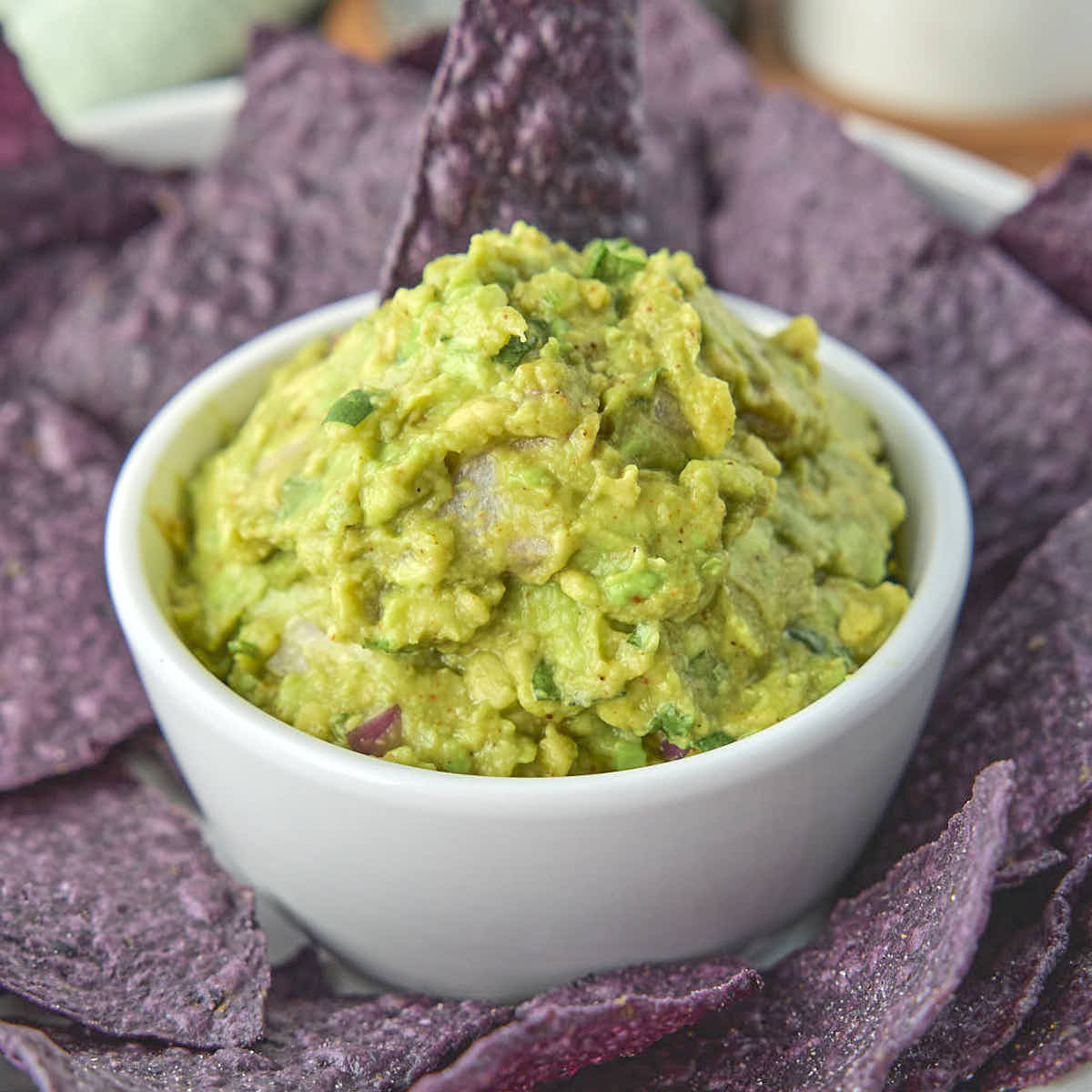
Keto guacamole made from ripe avocados, lime, and cilantro in 10 minutes. Paired with zero-carb tortillas, it’s healthy fat on a GLP-1 diet.
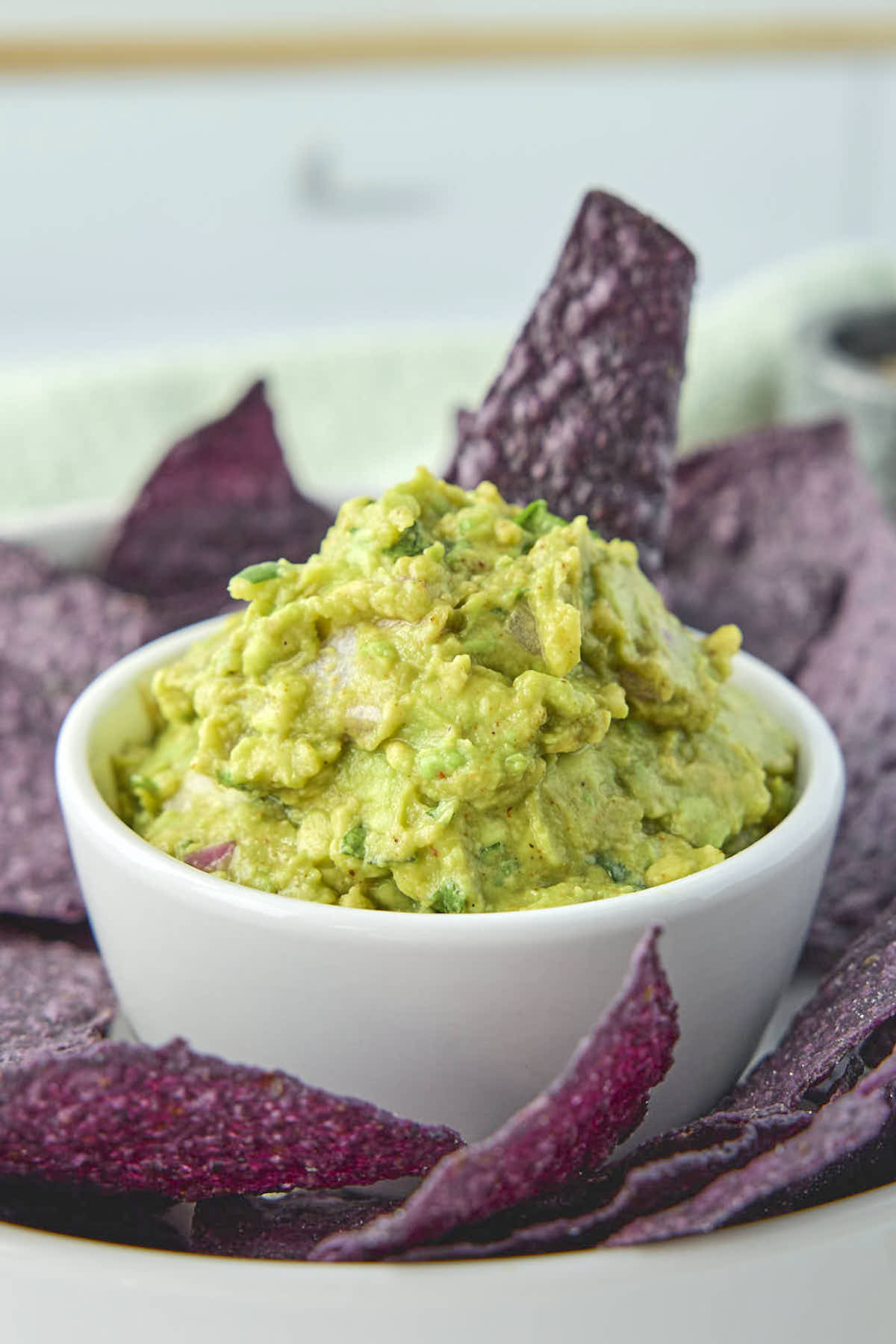
Table of contents
- Why This Keto Guacamole Works
- Where Guacamole Goes Wrong and Why You Still Need the Fat
- How to Pick Ripe Avocados for Guacamole
- What’s Actually in Store-Bought Guacamole
- Ingredients for Keto Guacamole
- How to Make Keto Guacamole
- Serving and Storage
- Can You Eat Guacamole on a GLP-1 Diet?
- More Low-Carb Recipes and GLP-1 Reading
- Final Thoughts
- Frequently Asked Questions
Let’s give guacamole a new job. For most of us, it only shows up as a dip with a bag of chips parked next to it. I’d like you to think of it more like butter or olive oil, the fat that accents a meal.
If you’ve been clearing seed oils and processed junk out of your kitchen, good for you. That’s the right call. Here’s the catch, though. Your body still needs fat from somewhere, and a lot of us end up eating around that gap without noticing. Avocado is one of the best ways to fill it. The trouble is how guacamole usually gets to your mouth. Those quintessential chips are fried in the same corn and canola oils you just threw out.
On a GLP-1 medication your plate gets smaller, and every bite has to pull its nutritional weight. I want a little good fat on that plate. It helps my body use what’s in the foods that I eat, and it makes a small meal feel finished. A spoonful of guacamole with scrambled eggs or on sprouted grain toast does that better than anything I’ve found. Put it on a zero-carb tortilla and tacos, tostadas, and breakfast wraps are back on your menu. All it takes is six ingredients, a fork, and ten minutes.
Why This Keto Guacamole Works
- A healthy fat to replace the ones you cut. About two-thirds of an avocado’s fat is monounsaturated, the same kind olive oil is known for.
- It helps you absorb more from your vegetables. The fat helps your body take in the fat-soluble nutrients in tomatoes, peppers, and greens.
- Low carb, high fiber. Most of an avocado’s carbs are fiber, so net carbs barely register.
- No seed oils, sugar, dyes, or preservatives. Six ingredients plus salt.
- Whole30 and paleo as written. No dairy, grains, or sweetener.
- Ten minutes, no cooking. It fits into a no-cook GLP-1 kitchen.
Where Guacamole Goes Wrong and Why You Still Need the Fat
Seven Tostitos chips carry 19 grams of carbs and 7 grams of fat. That fat comes from corn, canola, or sunflower oil. An order of chips and guacamole at Chipotle runs about 81 grams of carbs, and the guacamole is only a few grams of it. The shelf-stable tubs have their own problem. Dean’s “guacamole flavored” dip lists soybean oil and hydrogenated oils ahead of the avocado. Either way, the damage comes from the carrier or the tub, never from the avocado.
The fat itself is worth keeping. The low-fat era pulled fat out of our food and poured sugar and starch in to replace it. Cutting fat even further isn’t the answer. The real fix is trading processed fats for whole ones.
Good fat does real work on a GLP-1 diet. In a 2005 Ohio State study, adding avocado to salsa raised lycopene absorption 4.4-fold and beta-carotene absorption 2.6-fold. Fat also keeps your gallbladder emptying. That matters with rapid weight loss, and GLP-1 medications list gallbladder problems as a known risk. In a 1998 study of very low calorie diets, 54.5% of patients on a nearly fat-free plan developed gallstones. None did on a plan with about 12 grams of fat a day.
How to Pick Ripe Avocados for Guacamole
Ripeness makes or breaks guacamole. An underripe avocado won’t mash, and an overripe one tastes bitter and stringy.
How to Buy in Thirty Seconds
- Look for dark skin, close to black.
- Hold it in your palm and squeeze gently with your whole hand, not your fingertips. It should give slightly without denting.
- Flick off the little stem cap. Green underneath means it’s ready. Brown means it’s past its best.
- Making it in two or three days? Buy firm ones and leave them on the counter.
What’s Actually in Store-Bought Guacamole
Buying a container of guacamole off the shelf puts back the fats you’re working to cut. In 2006, a California woman sued Kraft over its guacamole dip. The dip was less than 2% avocado. Today’s “guacamole flavored” tubs still read like this one from Dean’s:
The Fat. Skim milk, soybean oil, and hydrogenated coconut and soybean oils come before the avocado. The seed oil you cut from your pantry comes right back in.
The Sweetener. Sugar is in the ingredient list. It’s a small amount, but guacamole never needed any.
The Texture. Guar gum, xanthan gum, locust bean gum, gelatin, cellulose gel, cellulose gum, and mono- and diglycerides. That’s seven ingredients doing the job a ripe avocado does for free.
The Shelf Life. Sodium benzoate and potassium sorbate. Real guacamole lasts about a day. This one sits in the dairy case for weeks.
The Green. Yellow 5, Yellow 6, Blue 1, and Red 40. A tub that needs four dyes to look like avocado isn’t made from much avocado.
The cleaner tubs, like Wholly Guacamole Classic, are mostly avocado with vinegar, jalapeño, salt, dehydrated onion, and garlic. They’re a workable backup. Fresh still wins on taste, and it’s cheaper per serving.
Ingredients for Keto Guacamole
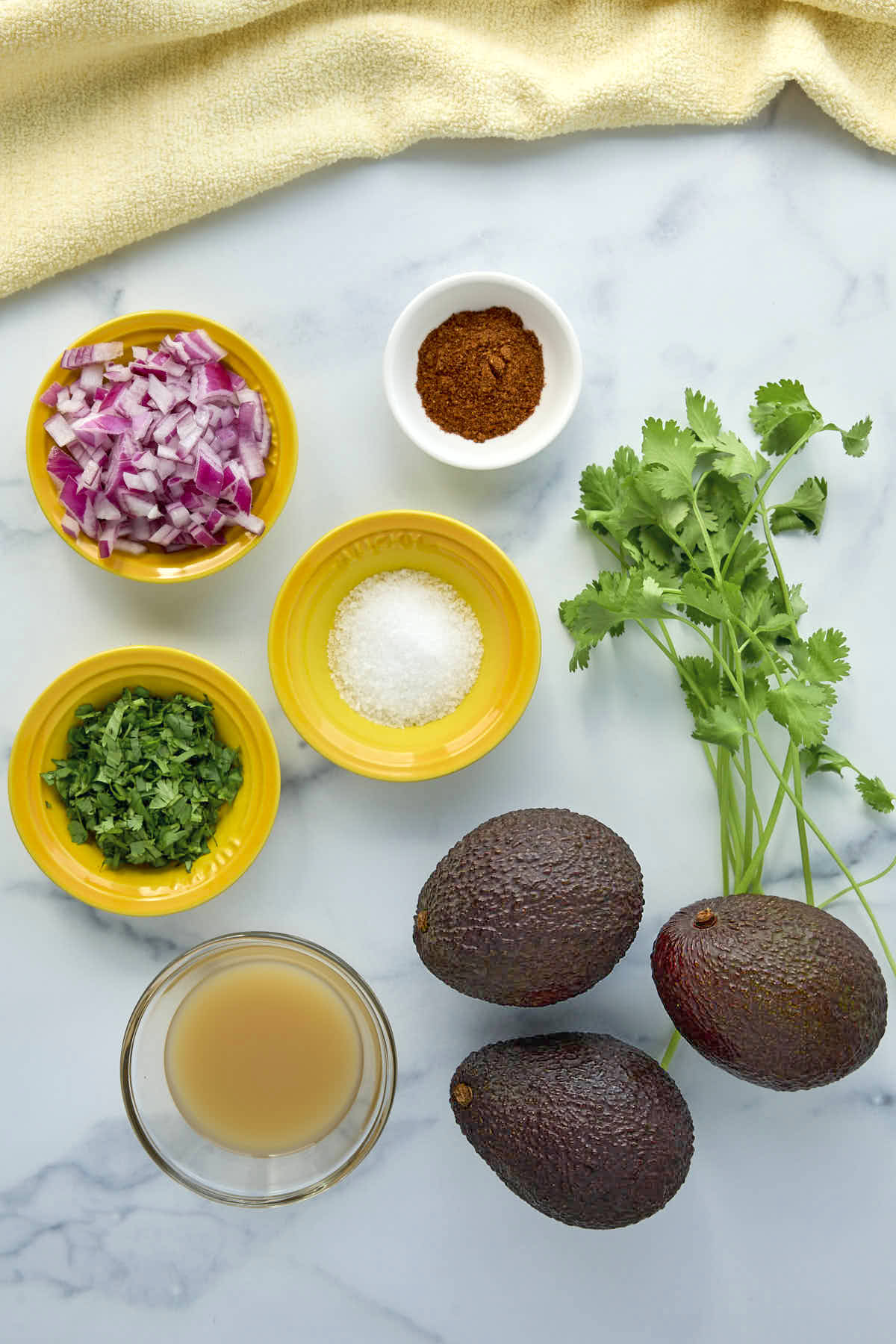
- 3 whole ripe avocados
- ½ cup red or white onion, finely diced
- 1 whole jalapeño or serrano, seeded and minced
- ¼ cup fresh cilantro, chopped
- 2 tablespoons fresh lime juice (about 1 lime)
- ½ teaspoon kosher salt, plus more to taste
Ingredient Notes
Fresh lime, not bottled. Bottled lime juice tastes flat and a little bitter. Fresh juice also slows browning a bit better.
Serrano for heat. A serrano is hotter and brighter than a jalapeño. Leave the seeds in if you want the kick.
Kosher salt, added in stages. Avocado soaks up salt. Add half, taste, then finish.
No added oil, sour cream, or mayo. The avocado is already the fat. Adding more only dilutes it.
How to Make Keto Guacamole
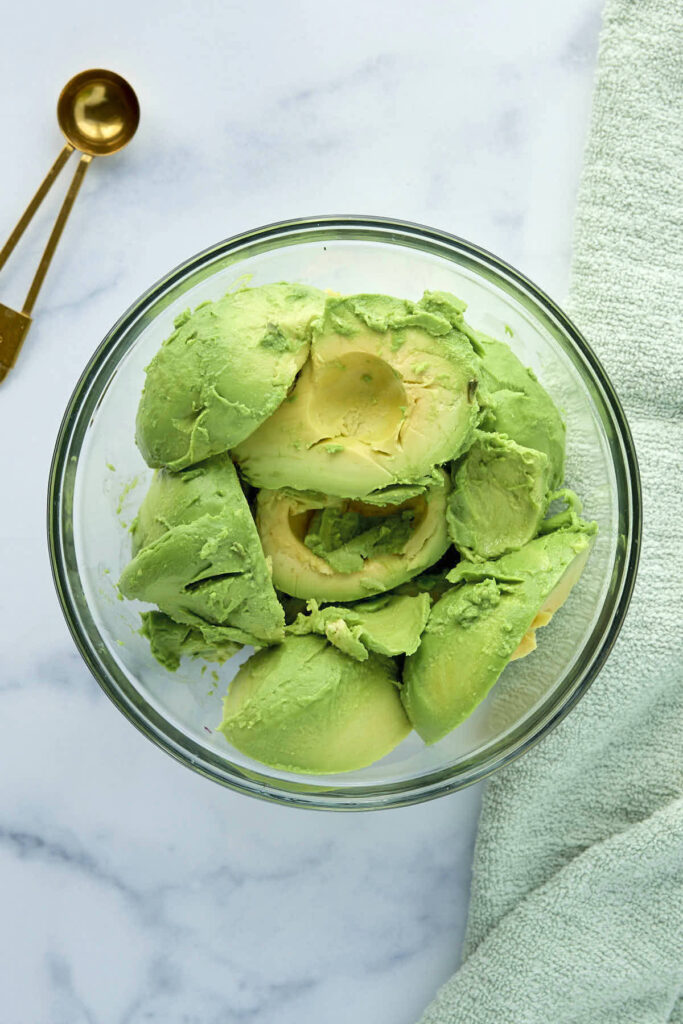
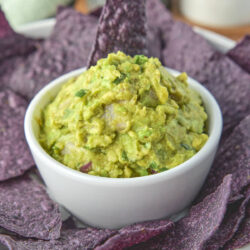
- Halve the avocados, remove the pits, and scoop the flesh into a bowl. Scrape close to the skin. The darkest green flesh sits right against it.
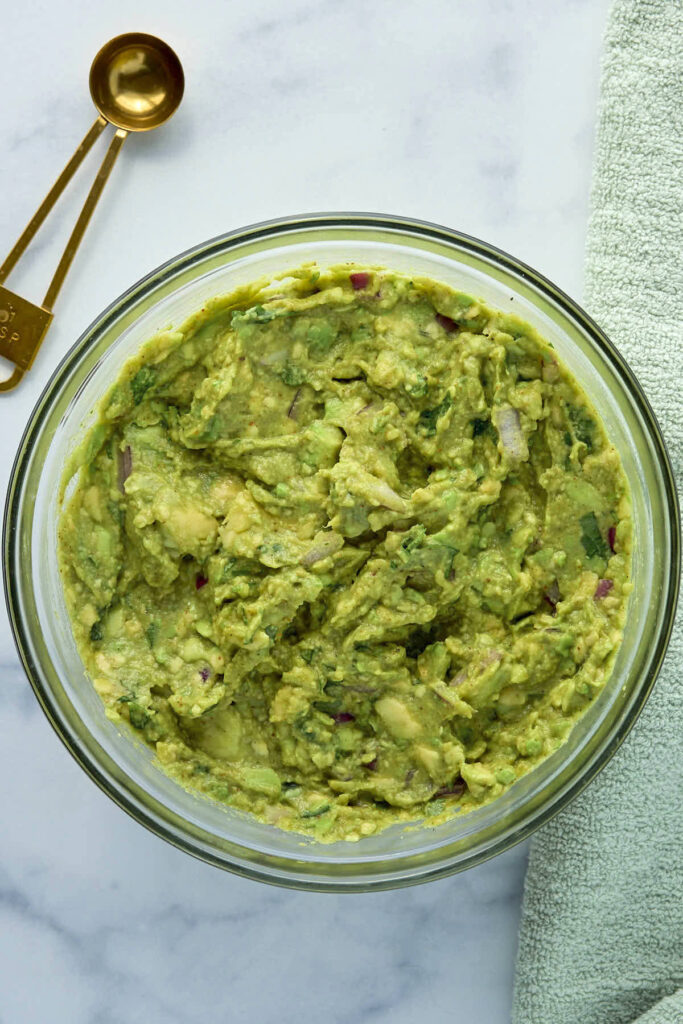
- Mash with a fork or potato masher, leaving some chunks. Chunks hold their shape on a taco. Guacamole mashed smooth turns pasty.
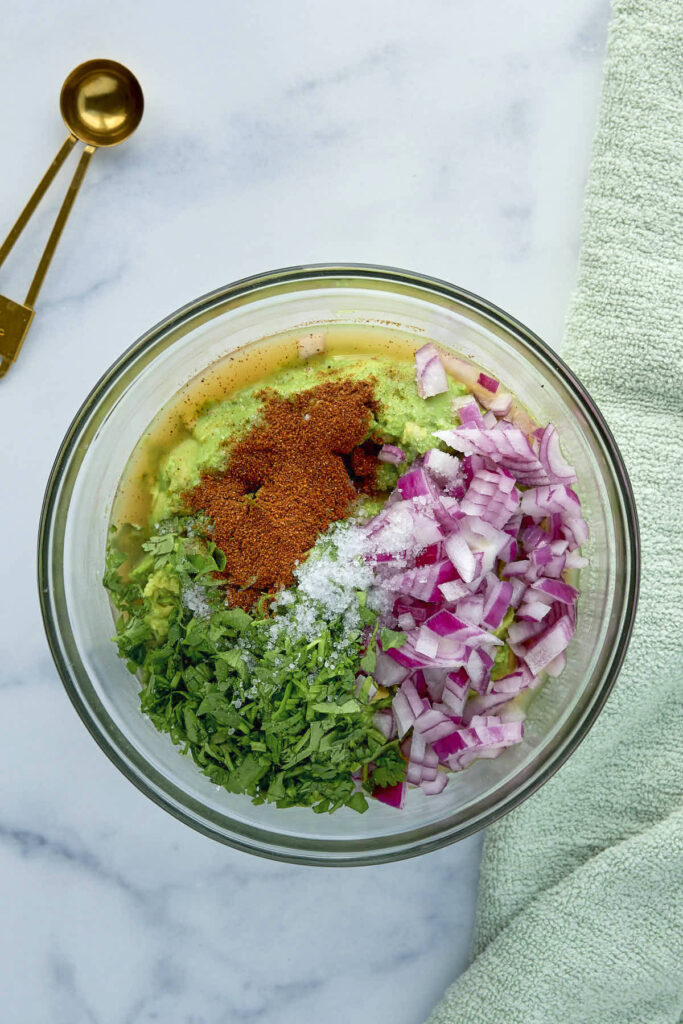
- Add the onion, chile, cilantro, lime juice, and half the salt, and fold together. Folding keeps the tomato from breaking down and watering the bowl.
- Taste and adjust the salt and lime. Flat guacamole almost always needs salt, not more lime.
Serving and Storage
Guacamole is best the day you make it. To hold it, press plastic wrap directly onto the surface so no air touches it. Browning comes from air contact, and the wrap keeps it green for about a day in the fridge. Scrape off any darkened layer before serving.
This is where guacamole gets to do more than sit next to a chip bowl. A zero-carb tortilla opens up meals that were off the table for years. The one I use in my fajitas is made with extra virgin olive oil. Many low-carb tortillas use soybean or canola oil, so give the label a look.
Breakfast Tacos. Scrambled eggs, a spoonful of guacamole, and salsa on a warm zero-carb tortilla.
Fajita and Street Tacos. Guacamole takes the place of sour cream on chicken, steak, or shrimp.
Crispy Tostadas. Air-fry a zero-carb tortilla until it’s crisp. Spread on guacamole and pile on shredded chicken.
Quesadillas. Fold guacamole in after the cheese melts, not before, so it stays green.
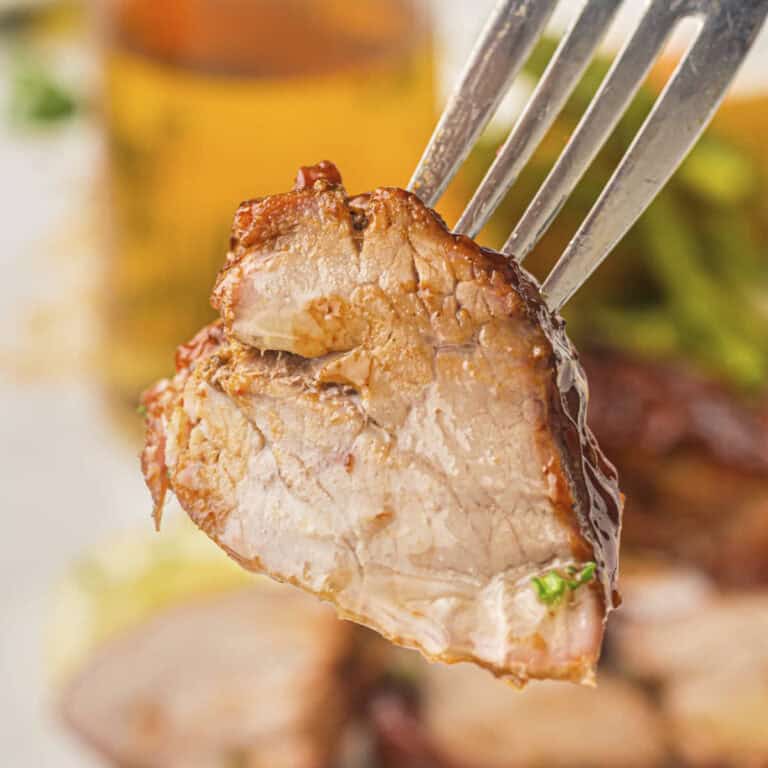
Grilled Meat Topping. A spoonful on grilled pork tenderloin or baked lemon chicken works like a sauce.
Can You Eat Guacamole on a GLP-1 Diet?
- Yes, and it earns its spot. Guacamole gives you the healthy fat a GLP-1 diet needs, along with fiber. Fiber helps with the constipation plenty of us deal with on these medications.
- Portion still matters. GLP-1 medications slow digestion, and fat slows it further. A big bowl can mean nausea for some people. Start with about a third of a cup per meal.
- Put it next to a protein. Guacamole has almost no protein, and on a GLP-1 diet protein comes first. Eggs, chicken, steak, or shrimp do that job while the guacamole handles the fat.
More Low-Carb Recipes and GLP-1 Reading
- What Is a GLP-1 Diet?
- Air Fryer Chicken Fajitas
- Grilled Pork Tenderloin
- The Fake Avocado Oil Problem
- My GLP-1 Journey
Final Thoughts
We pulled the seed oils, the fillers, and the fried snacks out of our kitchens. Something good has to take their place, and avocado is about as good as fat gets. Guacamole spent years tied to a bag of corn chips fried in the oils we just threw out. Make it fresh, spoon it onto eggs, steak, and a zero-carb tortilla, and let it do the job fat is supposed to do.
Frequently Asked Questions
Yes. Homemade guacamole is low in net carbs, since most of the avocado’s carbs are fiber. Tortilla chips are what break keto.
Yes. Most of an avocado’s fat is monounsaturated, the same kind found in olive oil. Store-bought tubs with added soybean oil are a different story.
Most of the total is fiber, so net carbs stay low.
Zero-carb tortillas, eggs, grilled meats, or lettuce wraps.
Press plastic wrap directly onto the surface so no air touches it. Fresh lime juice helps a little.
Keto Guacamole: A Healthy Fat Worth Building a GLP-1 Diet Around
Ingredients
- 3 whole avocados halved and pits removed
- ½ cup red or white onion diced
- 1 whole jalapeño or serrano diced
- ¼ cup cilantro chopped
- 2 tbsp lime juice fresh
- ½ tsp kosher salt plus more to taste
Instructions
- Halve the avocados, remove the pits, and scoop the flesh into a bowl. Scrape close to the skin. The darkest green flesh sits right against it.
- Mash with a fork or potato masher, leaving some chunks. Chunks hold their shape on a taco. Guacamole mashed smooth turns pasty.
- Add the onion, chile, cilantro, lime juice, and half the salt, and fold together. Folding keeps the tomato from breaking down and watering the bowl.
- Taste and adjust the salt and lime. Flat guacamole almost always needs salt, not more lime.