What You Need to Know About Carbs on a GLP-1 Diet
Carbs on a GLP-1 diet are the single most confusing part of eating on Ozempic, Wegovy, or Mounjaro. Not because carbs are the enemy, but because the advice you get is either “cut them all” or “everything in moderation” — and neither one tells you what to put on your plate tonight.

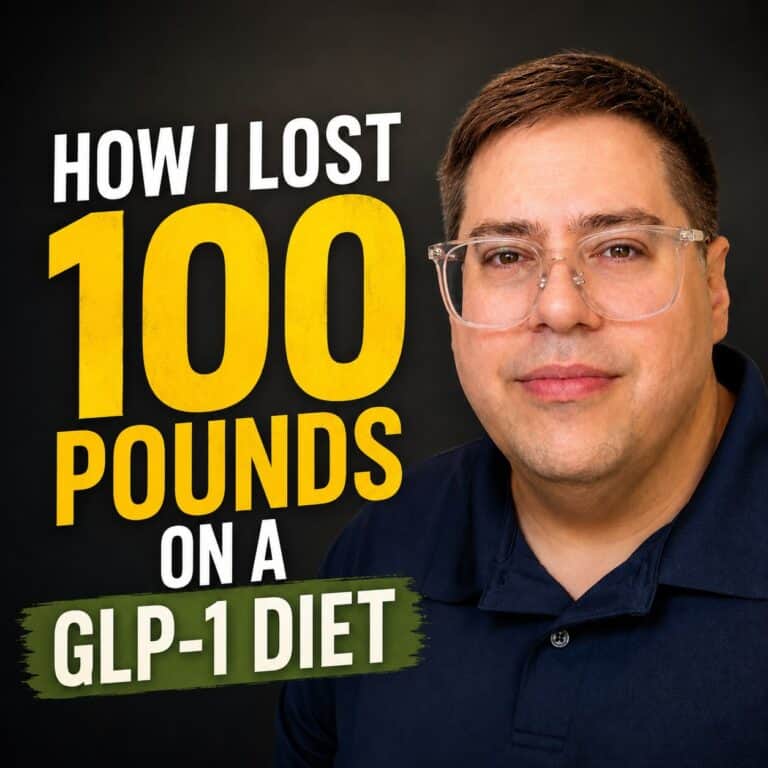
I lost over 100 pounds on a GLP-1 medication, and the whole story is in My GLP-1 Journey. I don’t eat strictly keto, and I don’t overdo carbs either. My approach looks more like Spanish tapas. A few small, interesting bites sit next to a solid portion of protein.
If you’re new here, my What Is a GLP-1 Diet? post lays out the full framework. Low Glycemic Index Diet: What Hidden Sugars Mean covers why refined carbs spike your blood sugar so fast.
Table of contents
- How GLP-1 Medications Change the Way You Digest Carbs
- No, You Don’t Need to Cut Carbs on a GLP-1 Diet
- Why Carbs Suddenly Feel Heavier (or Cause Bloating)
- Complex Carbs vs. Simple Carbs: Why the Difference Matters More Now
- How the Right Carbs Boost Your Own GLP-1
- How Many Carbs Should You Actually Eat?
- Eating Order Matters: Protein and Fiber Before Carbs
- The Real Risk Is Refined Carbs and Hidden Sugars
- Don’t Overdo Fiber Too Fast
- Putting It Into Practice: The Plate Method
- The Bottom Line
- GLP-1 Diet Recipes That Put This on the Plate
How GLP-1 Medications Change the Way You Digest Carbs
GLP-1 medications slow gastric emptying. Food sits in your stomach longer than it used to. That one mechanism explains most of what feels different about eating now, carbs included.
Before the medication, a plate of pasta moved through at a normal pace. The same plate now sits longer, digests slower, and feels heavier. That’s the medication working as designed. Once you understand it, the rest of your carb choices start to make sense.
No, You Don’t Need to Cut Carbs on a GLP-1 Diet
A lot of people assume a GLP-1 medication calls for keto. It doesn’t. Carbohydrates are still the main fuel for your brain and muscles. Cut them too hard and you’ll feel it. Fatigue, dizziness, and irritability make any plan harder to stick with.
A GLP-1 diet is about picking carbs that cooperate with a slower digestive system. If you keep reaching for bread and chips anyway, I dug into why in Why Can’t I Stop Eating Carbs?
Why Carbs Suddenly Feel Heavier (or Cause Bloating)
A bowl of rice that used to feel fine might now leave you uncomfortably full. That feeling is real. Slowed gastric emptying keeps large, dense carb portions in your stomach longer. The result is bloating, or that stuffed feeling after a normal-size meal.
Smaller portions help. Carbs that digest more gently help even more.
Complex Carbs vs. Simple Carbs: Why the Difference Matters More Now
All carbs are not equal, and the gap widens on a GLP-1 medication.
Complex carbs like oats, legumes, quinoa, and whole grains break down slowly. They release glucose gradually and keep blood sugar steady. That works alongside the medication.
Simple carbs like white bread, sugar, juice, and most packaged snacks break down fast. They spike blood sugar quickly and fight the very thing your medication is managing.
Food giants build much of the grocery store around that second group. My hidden sugar in foods post shows how much sugar hides under other names on a label. Bottled condiments are some of the worst offenders. One leading BBQ sauce packs 16 grams of added sugar into two tablespoons. That’s why I make my own for my grilled pork tenderloin.
How the Right Carbs Boost Your Own GLP-1
Certain carbs do more than get tolerated on a GLP-1 medication. They actively help.
Soluble fiber shows up in oats, beans, lentils, and many vegetables. Your body doesn’t digest it the way it digests other carbs. It ferments in your colon instead. That fermentation produces short-chain fatty acids, and those stimulate your body’s own GLP-1 secretion.
A peer-reviewed advisory from the American College of Lifestyle Medicine, American Society for Nutrition, Obesity Medicine Association, and Obesity Society backs this up. It recommends a diet built on nutrient-dense, minimally processed foods for this reason.
My lentil soup for a GLP-1 diet is built on this idea, with a big dose of soluble fiber in every bowl. My French onion quinoa does the same job as a side dish, in place of a boxed rice mix.
How Many Carbs Should You Actually Eat?
There’s no single magic number. Be skeptical of anyone who hands you one without context.
A practical range often cited for people on GLP-1 medications is about 100 to 150 grams of carbohydrate a day. The emphasis is on complex, high-fiber sources. That’s below standard dietary guidelines and nowhere near keto.
Registered dietitians at OnPoint Nutrition frame it the same way. The goal is the right type and amount of carbs to complement the medication. Active days may call for roughly 15 to 30 extra grams around a workout.
Eating Order Matters: Protein and Fiber Before Carbs
This small change has an outsized effect. Research summarized by Ohio State Health & Discovery shows that protein and fiber eaten before carbohydrate trigger more natural GLP-1 secretion. Vegetables before starch work in a similar way.
On the plate, start with protein and vegetables and save the carb portion for last. There’s no math and no tracking. It’s a plating order that works with your biology.
Breakfast is the easiest place to start. My Protein Anchor post explains why I aim for 30 grams of protein first thing.
The Real Risk Is Refined Carbs and Hidden Sugars
Refined carbs and added sugar are the real problem on a GLP-1 diet, not carbohydrates as a group.
Refined carbohydrates cause the rapid blood sugar spike that can work against your medication, according to guidance summarized by Healthline. That goes beyond a general health warning. It interferes with the mechanism you pay for every month.
Cutting refined carbs and hidden sugars matters more than cutting carbs in general. I covered how they tie into stalled progress in metabolic resistance on a GLP-1 diet.
Don’t Overdo Fiber Too Fast
Once people learn fiber helps, they tend to overcorrect. Fiber comes in two types. Soluble fiber slows digestion and softens stool. Insoluble fiber adds bulk and keeps things moving.
Both help with the constipation that’s common on GLP-1 medications. Ramp up too fast, though, and you trade constipation for bloating.
Add fiber gradually over a couple of weeks. Your gut needs time to adjust while it’s already adapting to slower digestion.
Putting It Into Practice: The Plate Method
You don’t need to count grams at every meal. The plate method applies everything above without any math:
- Half your plate: non-starchy vegetables, like my garlic butter green beans
- A quarter of your plate: protein, eaten first, like baked lemon chicken breasts or air fryer chicken fajitas
- A quarter of your plate: complex, high-fiber carbs
Build meals this way and you hit the right carb type, portion, and eating order without tracking a single number.
The Bottom Line
Carbs aren’t working against your GLP-1 medication. Refined carbs and hidden sugars are. Slowed gastric emptying explains why big starchy portions feel heavy. Fiber-rich carbs help your body make more of its own GLP-1. Eating protein first changes how the rest of the meal lands.
Build meals around whole-food carbs, put protein first, and let the plate method do the thinking.
GLP-1 Diet Recipes That Put This on the Plate
- The high protein pasta salad I eat on a low carb GLP-1 diet
- Lentil soup for a GLP-1 diet
- French onion quinoa in the rice cooker
- Keto pot roast: no potatoes, no flavor packet
- Keto beef stew, no potato
- Grilled pork tenderloin with a low-carb BBQ sauce
- Pickled Brussels sprouts (frog balls)
- Low carb margarita: 2g instead of 30g